

Remote and Hybrid Jobs in Ireland: What Candidates Need to Know
Flexible working isn’t just a trendy perk anymore—it’s a key factor in how savvy Irish workers think about their next career move. Whether you’re in Dublin, Cork, Galway, or a smaller town, your choices about working from home or the office affect everything from your lifestyle to your career path.
Navigating these decisions isn’t always easy. How do you balance productivity with personal life? How do you stay visible and grow in your career while working remotely? And how do you find a role that truly fits the way you want to work?
Let’s explore how modern work in Ireland can work for you—and the options that could shape your next move.
The Rise of Flexible Working in Ireland
The Home Perks We Love
There’s a reason Irish worker have embraced the home office—it’s about convenience and reclaiming time.
- Zero Commute: No more sitting in traffic on the M50 or battling the morning rush hour. The average Irish commuter spends over 50 minutes daily travelling to work (Savills, 2025)—over 4 hours a week regained.
- Real Work-Life Balance: Remote working gives employees genuine control over their day, allowing them to integrate work around personal priorities.
- Location Freedom: High-value Dublin or Cork roles are now accessible to workers living in Clare, Donegal, or other regions.
The Trade-Offs
While the freedom of remote work is fantastic, it comes with challenges. Being honest about these is key to thriving.
- Missing the ‘Watercooler Moments’: Casual office chats often spark creativity and help build relationships. Remote work can make it harder to stay visible and maintain informal connections.
- Out of Sight, Out of Mind: Visibility for promotions and career progression can feel harder when you’re not physically present. In tech, success is increasingly measured by documented, quantifiable output (via tools like Jira or Git) rather than hours at a desk. Over-communicating progress is essential.
- Blurred Boundaries & Perceived Availability: Working from home can make it feel like you’re always “on call.” Neighbours asking you to grab parcels, or even being roped into moving a cow, last-minute favours for friends, can all sneak in. Clear boundaries, learning to say no—or even hiding behind the couch occasionally —can help!
- Noise & Distractions: Home offices aren’t always quiet. Barking dogs, children playing, or noisy neighbours can disrupt focus. Planning your workspace to minimise distractions—through location choice, noise-cancelling headphones, or clear house rules—is critical.
- Subpar Equipment & Setup: Working from a couch or kitchen chair may feel fine for a day, but poor lighting, desk height, or seating can strain your back, neck, and shoulders, which can significantly reduce productivity and focus. Investing in ergonomic equipment or a dedicated workspace is essential.
- Staying Active: Office life naturally offers ways to stay active—lunchtime yoga, 5-a-side matches with colleagues, or a nearby gym. At home, you need to be intentional: short walks, stretching, or home workouts help maintain both physical and mental well-being.
The Ultimate Test of Discipline
Success in fully remote roles often comes down to mindset rather than the job itself. Ask yourself: are you built for this freedom, or does flexibility become a trap?
- The Power of Self-Discipline: Fully remote work requires you to be your own manager. Can you consistently switch from breakfast to high-focus work mode without colleagues or a boss physically present?
- Proactivity vs. Visibility: If you thrive on spontaneous feedback, full-time remote work can feel isolating. Be proactive in scheduling check-ins and showcasing your impact.
The Irish Right to Disconnect
In Ireland, your boundaries have legal backing. The Workplace Relations Commission (WRC) Code of Practice on the Right to Disconnect (2021) addresses the ‘always-on’ problem.
Key rights include:
- The Right to Disengage: You don’t have to perform work outside normal hours.
- Protection from Penalisation: You can’t be penalised for refusing to respond outside your working hours.
- Mutual Duty: Everyone must respect each other’s right to disconnect.
Even with legal support, personal discipline ensures these rights are effective.
Hybrid Working
For many, hybrid work strikes the perfect balance—maintaining social connection and visibility while keeping flexibility, without the isolation of permanent remote work.
- Structured Collaboration: Many Irish firms require 2–3 office days per week. These days are often reserved for workshops, sprint planning, onboarding, or critical whiteboarding sessions—making in-office time highly purposeful.
- Strategic Time Management: “I do deep-focus work at home and reserve office days for meetings and workshops—it works perfectly,” one employee explained.
- Success Stories: Irish firms such as Accenture Ireland and Microsoft Ireland have reported increased productivity and higher employee retention after introducing hybrid working models. Teams report better focus on deep workdays at home, while collaboration and innovation remain strong on office days.
Our Advice
The Final Step
Remote and hybrid work are here to stay in Ireland. The key is knowing what matters most to you—career growth, health, social connection, or flexibility—and whether your discipline matches the role.
At TechHeads we help you make the right career move, not just fill a position. We take the time to understand your priorities so you can find a role and a company that genuinely fits your life
Please share if you have enjoyed this article.
Related Posts

Irish Automotive Summit 2026: Big Ideas, Micro Talks, and a Fast-Moving Industry
Irish Automotive Summit 2026: Big Ideas, Micro Talks, and a Fast-Moving Industry On April [...]
Ireland’s Recruitment Story in 2026: A Year of Steady Growth and New Hiring Journeys
Ireland’s Recruitment Story in 2026: A Year of Steady Growth and New Hiring Journeys The [...]
Emerging Tech Trends for 2026: Insights for Tech Professionals
Future-Proof Talent: The Tech Trends Shaping 2026 At TechHeads, we don’t just track tech [...]
New Year, New Priorities: Retaining Your Best Tech Talent in 2026
New Year, New Priorities: Retaining Your Best Tech Talent in 2026 As the new year looms, tech [...]

From 2025 to 2026: TechHeads’ Year in Review and What’s Next
TechHeads Year in Review As 2025 draws to a close, we’re taking a [...]
Modernising Legacy Systems with Project-Based Resourcing
Modernising Legacy Systems with Project-Based Resourcing Some systems in every business quietly run day [...]
Insights from the LEO Clare Christmas Networking Event
Insights from the LEO Clare Christmas Networking Event TechHeads were delighted to attend the Local Enterprise Office Clare [...]

NAERSA Established to Manage MyFutureFund
NAERSA Established to Manage MyFutureFund The rollout of Ireland’s auto-enrolment pension scheme is moving [...]
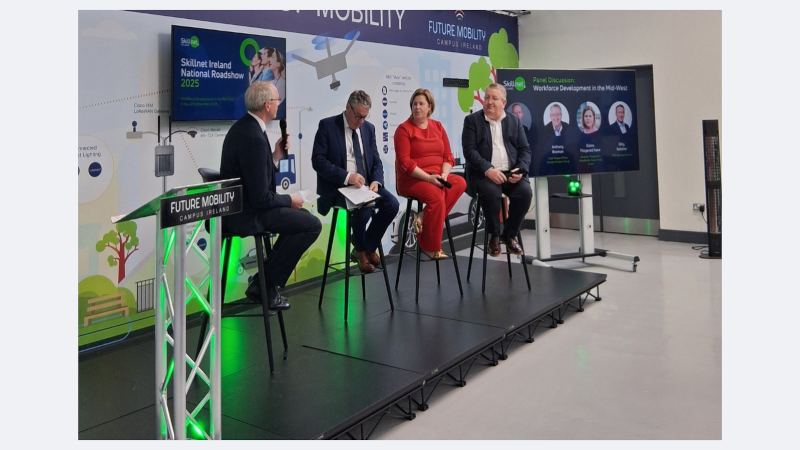
TechHeads at Skillnet Ireland’s Roadshow: Driving Innovation, AI, and Green Skills
TechHeads at Skillnet Ireland’s Roadshow: Driving Innovation, AI, and Green Skills On 21st November 2025, [...]

HR Guide to Ireland’s Auto-Enrolment Pension Scheme
HR Guide to Ireland’s Auto-Enrolment Pension Scheme “Retirement: It’s nice to get out of the [...]
How the EU Pay Transparency Directive Impacts the Tech Sector
How the EU Pay Transparency Directive Impacts the Tech Sector The EU Pay Transparency Directive [...]

Use AI in Your Job Search Without Feeling Robotic
Use AI in Your Job Search Without Feeling Robotic As a tech recruitment team, we’re [...]
Tech & IT Hiring Trends in Ireland 2025
Tech & Hiring Trends in Ireland 2025 Ireland’s tech and IT job market continues to [...]
Remote and Hybrid Jobs in Ireland: What Candidates Need to Know
Remote and Hybrid Jobs in Ireland: What Candidates Need to Know Flexible working isn’t just [...]
Top 5 Mistakes Tech Job Seekers Make
Top 5 Mistakes Tech Job Seekers Make You’re talented, experienced, and great at what [...]

Budget 2026: Implications for Ireland’s Tech Industry
Budget 2026: Implications for Ireland’s Tech Industry Budget 2026 is setting the stage for Ireland’s [...]